How to Read a Cut Sheet: Customizing Your Beef Share Like a Pro
Master the art of customizing your beef share with our complete guide to reading and filling out a cut sheet. Get exactly the cuts you want, how you want them.
What is a Cut Sheet?
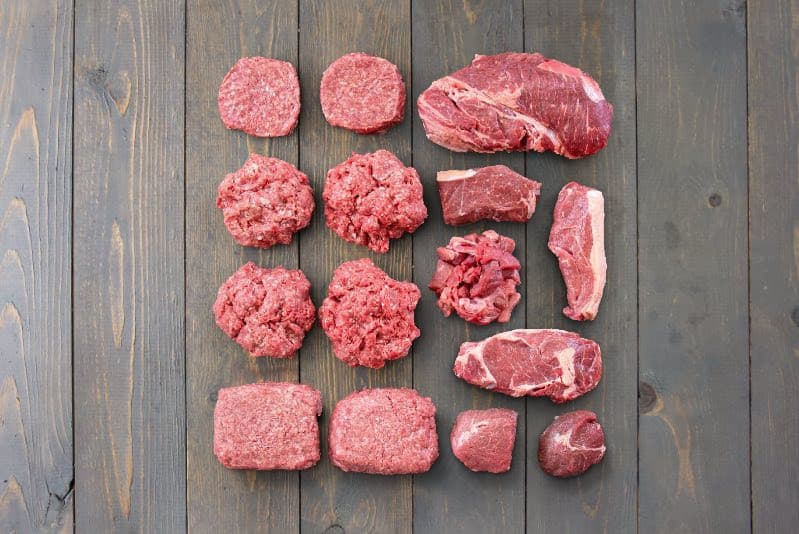
A cut sheet is a form you fill out to specify exactly how you want your beef processed. It tells the butcher how to cut each part of the animal, what thickness you prefer, and how you want everything packaged.
Think of it as your blueprint for customizing your beef share to match your cooking style and preferences.
Understanding Your Cut Sheet Sections
Steak Options
This section lets you specify how you want your steaks cut:
- Thickness: 1/2", 3/4", 1", 1.5", or 2" (most common is 1")
- Bone-in or boneless: Your preference for T-bones, porterhouse, etc.
- Individual packaging: Each steak wrapped separately or multiple per package
Roast Options
Specify how you want your roasts prepared:
- Size: 2-3 lbs, 3-4 lbs, 4-5 lbs, or larger
- Bone-in or boneless: Your preference
- Cut type: Chuck, rump, round, sirloin tip, etc.
Ground Beef Options
Choose how you want your ground beef packaged:
- Lean ratio: 80/20, 85/15, 90/10, or 93/7
- Package size: 1 lb, 1.5 lbs, or 2 lbs per package
- Patties: Pre-formed hamburger patties (optional)
Specialty Cuts
Request specific specialty cuts if desired:
- Brisket (whole or flat)
- Short ribs
- Flank steak, skirt steak
- Organ meats (liver, heart, tongue)
- Soup bones, marrow bones
Common Cut Sheet Questions Answered
What steak thickness should I choose?
1 inch (most popular): Perfect for most cooking methods, great balance of tenderness and flavor.
3/4 inch: Good for quick cooking, slightly less expensive cuts.
1.5-2 inches: Premium thickness for special occasions, requires longer cooking time.
Should I choose bone-in or boneless?
Bone-in: More flavor, traditional presentation, slightly more weight (bone included).
Boneless: More usable meat, easier to cook, takes up less freezer space.
Most people choose bone-in for steaks (T-bone, porterhouse) and boneless for roasts.
What lean ratio should I choose for ground beef?
80/20 (most popular): Great flavor, perfect for burgers and meatballs.
85/15: Good balance of flavor and leanness.
90/10 or 93/7: Leaner option, less fat, good for health-conscious cooking.
Can I change my cut sheet after submitting it?
Usually, you can make changes up to 2-3 weeks before processing. After that, the butcher may have already started work. Always check with your farmer or processor about their policy.
Tips for First-Time Cut Sheet Users
Start Simple
If you're unsure, choose standard options (1" steaks, 80/20 ground beef, 3-4 lb roasts). You can always get more creative next time.
Ask Questions
Don't hesitate to ask your farmer or processor for advice. They're experts and can help you make the best choices for your cooking style.
Consider Your Cooking Style
Think about how you cook. If you grill often, you might want thicker steaks. If you make lots of ground beef dishes, consider larger packages.
Balance Your Cuts
Remember that more steaks means less ground beef, and vice versa. Think about what you'll actually use.
Keep Notes
Write down what you ordered so you can adjust next time based on what worked well and what didn't.
Sample Cut Sheet Options
Standard Options
- Steaks: 1" thick, bone-in
- Roasts: 3-4 lbs, boneless
- Ground beef: 80/20, 1 lb packages
- Standard cuts only
Custom Options
- Steaks: 1.5" thick, mixed bone-in/boneless
- Roasts: Various sizes, bone-in options
- Ground beef: Mixed ratios, patties
- Specialty cuts: Brisket, short ribs, etc.
Ready to Customize Your Beef Share?
Now that you know how to read a cut sheet, join our buyer list to be notified when shares become available from trusted farmers in your area.
Search Farms